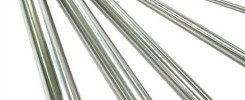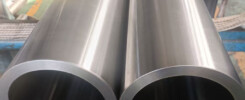
Material quality directly decides the performance of all hydraulic cylinder components. Common core parts include cylinder barrels, piston rods and chrome plated bars. Most engineers and buyers only check steel grades when purchasing these parts. However, this simple judging method is not reliable. In fact, improper material selection easily causes short service life. It also leads to frequent equipment failures and rising maintenance costs.
Therefore, choosing the right materials for cylinder barrels, piston rods and chrome plated bars is vital for stable hydraulic system operation. This guide will share easy and useful selection tips based on YUTONG’s long-term manufacturing experience.
1. Base Material and Surface Treatment Work Together
Many users only evaluate hydraulic cylinder components by raw steel materials. This is a very common mistake. Piston rods and chrome plated bars are often judged in this single way. But this method cannot reflect real product quality. Actually, raw steel is just one basic factor. Instead, the durability of hydraulic cylinder components depends on two key elements. They are qualified base steel and professional surface treatment technology.
CK45 carbon steel is a regular material for standard piston rods. It works well in normal and mild working conditions. But industrial working environments are quite different. For example, construction and mining machines face continuous heavy impact. In these harsh scenarios, pure CK45 steel cannot meet working needs. So, piston rods need induction hardening before chrome plating. But if you only thicken the chrome layer, it will not help much. It fails to improve the wear resistance and impact resistance of piston rods.
Moreover, this rule also applies to hydraulic cylinder barrels. Many buyers prefer high-grade steel for cylinder tubes. But high-grade steel does not mean high performance. It still has poor fatigue resistance without professional internal processing. On the other hand, ST52.3 tubes with skived and roller burnished treatment have smooth inner walls. They offer better pressure resistance and longer service life. Their overall performance is much better than ordinary high-grade steel tubes. In short, high-quality hydraulic cylinder components require complete processing, not only good steel materials.
2. Avoid Low-Price Traps: Focus on Total Lifecycle Cost
Cost control is always a top priority for most purchasers. Many people choose cheap carbon steel hydraulic parts to cut initial costs. But this choice only benefits short-term procurement. In fact, it brings many hidden risks in long-term operation.
To be specific, low-cost hydraulic cylinder components are not durable in harsh environments. Cheap cylinder barrels and piston rods are easy to wear and rust. They often cause seal aging, tube cracking and piston rod scratching. These problems lead to frequent equipment shutdowns. In addition, they greatly increase replacement and maintenance costs. Fortunately, standard and high-quality matched materials can effectively avoid these troubles.
Furthermore, common chrome plated bars have obvious usage limitations. But they are the most widely used hydraulic cylinder components. They are not suitable for marine and high-chloride environments. They will wear out quickly in such corrosive conditions. In comparison, hollow chrome rods and anti-corrosion customized parts perform much better. Although their unit price is slightly higher, they can greatly extend the service life of cylinder barrels and piston rods. YUTONG has served over 120 customers from 60 countries worldwide. Our real cases prove that proper material selection effectively reduces the total operating cost of high-pressure hydraulic cylinder components.
3. Select Materials by Component Function, Not One-Size-Fits-All
Many people use the same material standard for all hydraulic cylinder components. However, this one-size-fits-all method is incorrect. Different parts bear different mechanical pressures and friction. For example, cylinder barrels, piston rods and chrome plated bars have completely different working loads. As a result, unified material selection will reduce the overall performance of hydraulic cylinders.
First of all, hydraulic cylinder barrels mainly bear internal hydraulic pressure. Thus, their materials need good tensile strength and weldability. A smooth inner surface is also necessary. These features prevent tube cracking and reduce seal friction. In contrast, piston rods work with frequent reciprocating movement. For this reason, their materials need high toughness and surface hardness to resist bending and long-term wear.
In addition, hollow chrome rods have unique material standards. They are widely used in compact hydraulic cylinder designs. So they need to balance light weight, structural strength and anti-corrosion ability. Hence, engineers must select materials according to the actual working demands of each part. Never apply a single standard to all hydraulic cylinder components.
Final Practical Selection Tips
In conclusion, we have three simple but effective tips for material selection. First, confirm your actual working environment, including pressure, temperature and corrosion level. Second, match base steel and surface treatment properly. Third, focus on total lifecycle cost instead of only the initial unit price.
YUTONG is a professional manufacturer of hydraulic cylinder components. Our main products include honed tubes, hydraulic cylinder barrels, standard chrome plated bars, induction hardened rods and customized cylinder parts. We provide factory direct supply and strict quality inspection. If you need material selection guidance or product customization, feel free to contact us for professional technical support and accurate quotes.